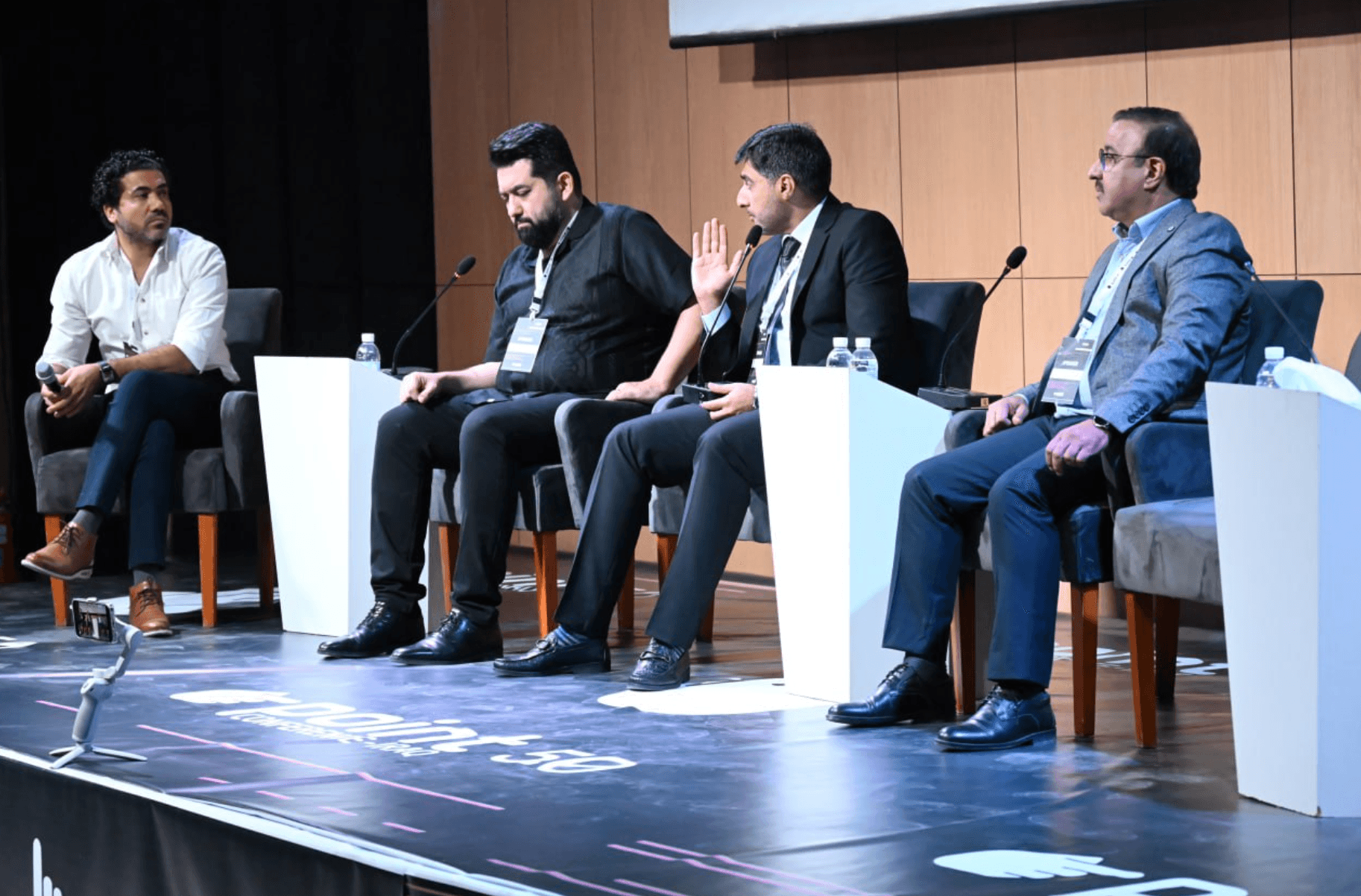
Iraqi Drama and the Margins of Freedom: What is Permissible and Forbidden in Art, Do We Need Censorship by Authorities?
September 16, 2023
Salah to Ahsan: Do we really need censorship?
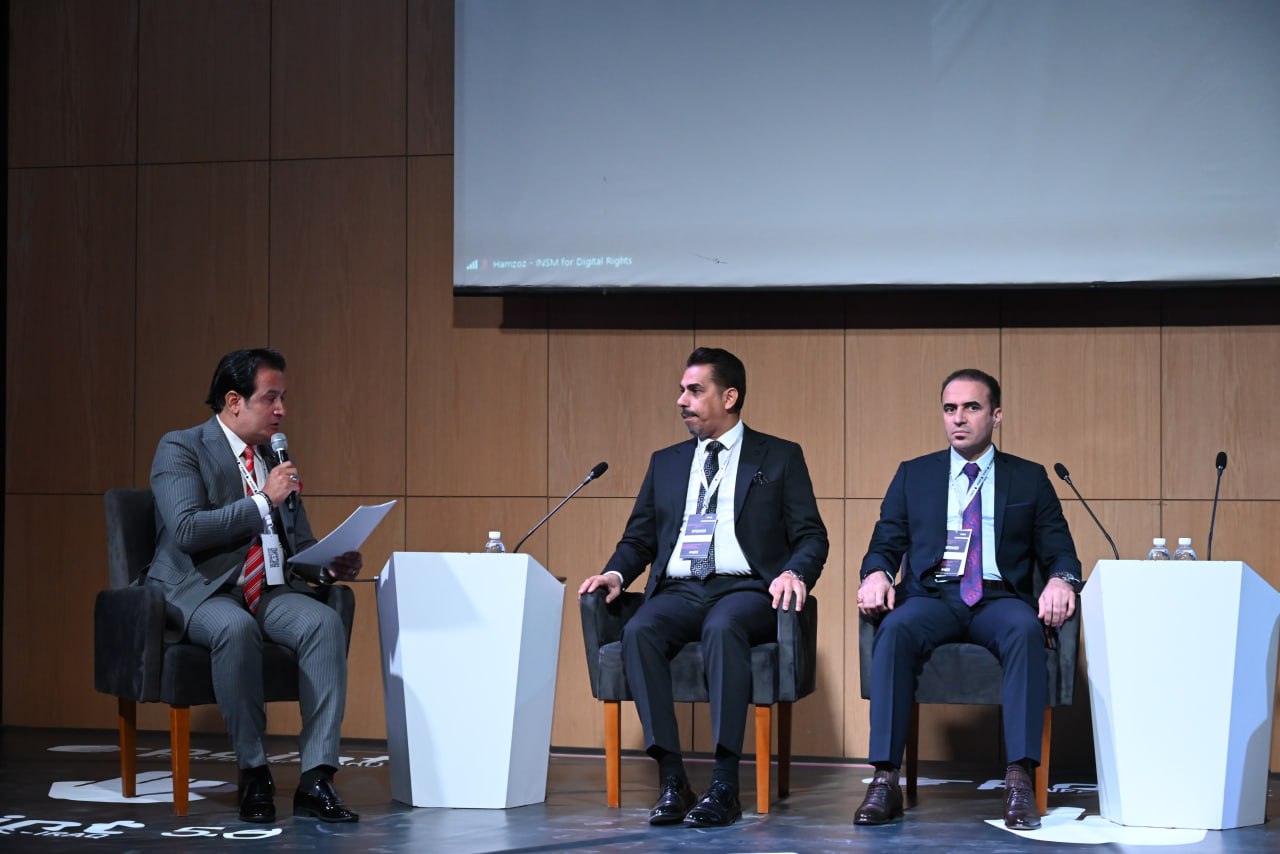
Ahsan: Being a member of the Central Council of the Artists Syndicate, in artistic work, we need standards and technical specifications to protect artistic products from legal hassles and conflicts... In the Artists Syndicate, we try to support and protect artistic output by presenting the material, getting its approval, and registering it within the Artists Syndicate... Anything outside this could expose the product to legal, artistic, and financial losses.
A censor is essential, but with a specialized censor, as commonly understood, especially since dramas reach every home, and this medium is very powerful; it can either harm or elevate society... Hence, we need standards and specifications within which artistic work operates.
Salah to Ali: If we were to impose a censor within the syndicate, after completing a project, spending funds on it, taking it to the syndicate, and forming a committee... who would be on that committee?
Ali: The syndicate and the chairman face significant challenges because they have inherited problems and conflicts... As for censorship, if something is written on paper, it might convey one thing, but through performance, there could be different implications. So, censorship shouldn't be prior but after the work. The script might get approved before filming, but through filming, the outcome can differ.
Having this type of censorship means we lose the freedom space that we've embraced and endured everything for since 2003.
After October, the situation completely changed in terms of presentation and acceptance because October created a new political reality... Those in power began to feel threatened and started reviewing what was happening in Iraq. The youth were influenced, and the influencers were the artists... Hence, the parties with weapons and financial power brought the idea of censorship and tried to portray artists as traitors... They warned against following a"Salah to Ahmed: What's your stance on examining the work?
Ahmed: I'm not in favor of text or work examination... I'm completely against censorship. Censorship doesn't fit our current situation. Art is about acceptance. No matter what we do, if there's no acceptance, getting approval from the syndicate or any other entity won't help. If there's acceptance, even if the work isn't approved, it will proceed.
Today, people have a voice... It's the citizens who evaluate the work, not like before, where there was just one channel and the work had to be presented there. Social media is a space for citizens to express and accept or reject the work.
Today, the people have become more powerful than the state in decision-making. Even decisions and laws, if rejected by the people, the state will retract them.
Ali: What Dr. Ahsan said is true, that we need standard censorship, that work shouldn't be produced without standards... What Ahmed mentioned is more dangerous than having censorship because basing the work's validity on public opinion is very risky. The public might not be aware and might not know where this degradation might lead.
Salah to Ahsan: If the syndicate issues a statement and the public rejects it, is it possible for the syndicate to retract its statement?
Ahsan: There can't be works without standards in the entire world... Look, for instance, in American productions, have you seen a humiliated American policeman or soldier in any work? And in Turkish productions, how did they contribute to boosting tourism in Turkey due to what they portrayed to our societies? There are biographical series like 'Hareem Al Sultan' that shed light on the Ottoman Empire. No matter what you read in history, it won't affect the image that has become an irrefutable document through the series."artists because they demolish societies."
"Salah to Ahmed: What's your stance on examining the work?
Ahmed: I'm not in favor of text or work examinations... I'm completely against censorship. Censorship doesn't fit our current situation. Art is about acceptance. No matter what we do, if there's no acceptance, getting approval from the syndicate or any other entity won't help. If there's acceptance, even if the work isn't approved, it will proceed.
Today, people have a voice... It's the citizens who evaluate the work, not like before, where there was just one channel and the work had to be presented there. Social media is a space for citizens to express and accept or reject the work.
Today, the people have become more powerful than the state in decision-making. Even decisions and laws, if rejected by the people, the state will retract them.
Ali: What Dr. Ahsan said is true, that we need standard censorship, that work shouldn't be produced without standards... What Ahmed mentioned is more dangerous than having censorship because basing the work's validity on public opinion is very risky. The public might not be aware and might not know where this degradation might lead.
Salah to Ahsan: If the syndicate issues a statement and the public rejects it, is it possible for the syndicate to retract its statement?
Ahsan: There can't be works without standards in the entire world... Look, for instance, in American productions, have you seen a humiliated American policeman or soldier in any work? And in Turkish productions, how did they contribute to boosting tourism in Turkey due to what they portrayed to our societies? There are biographical series like 'Hareem Al Sultan' that shed light on the Ottoman Empire. No matter what you read in history, it won't affect the image that has become an irrefutable document through the series."
"Salah: As an artist, if my blood is shed, what are the chances the syndicate or my tribe would protect me?
Ahsan: We won't reach that stage... In the syndicate, we work to legally fortify the work through approval and examination... It will be a basket to support the situation.
In every part of the world, there's the rural and the urban, and in the rural areas, there's good and bad... Therefore, things might be expedited artistically.
Salah: What percentage of works produced during Saddam Hussein's era are being shown now?
Ahsan: Previously, even companies didn't work under artistic censorship, so a lot of those works could be shown.
Now, we have a film festival, and I'm part of the film assessment committee. Even if we only manage to finish 10 films, it's not a decline, but we've gained about 100 artists and screenwriters.
Salah to Ali: How many problems have arisen because of this, and how do you test freedom in writing? Have you lost things due to threats?
Ali: We cannot deny the danger and mistakes because we are in a country in the early stages of democracy, in a region where almost everything changes... I am desperate about the scope of freedoms in Iraq, and this has nothing to do with the syndicate but with the political and social reality... In Iraq, we are planting hatred on social media, so how can we raise the ceiling of freedoms in the country?
In Egypt, the latest work by Mona Zaki, under guardianship, discusses a port environment... If I wanted to create a similar work in Iraq, I'd have to portray everyone as prophets. If not, I'd be accused of harming the people of this or that province. Even if, for example, I mention Basra, I can't do it without mentioning Anbar as well, and vice versa... because I'll either be accused of being sectarian or stepping outside my sect."
Ahsan: "New approaches need more than just one or two works. Through drama, we need to present all Iraqi dialects, including Kurdish. We should portray all these dialects positively to normalize and familiarize people with each other."
Salah to Ahmed: "You started breaking taboos when you were independent. However, since you joined a major channel, have your freedoms in presenting topics diminished?"
Ahmed: "I used to be quicker before, but today, I'm less bold because I have a channel as a partner. Freedoms have shrunk... For instance, in the last season, in a public opinion episode about the corrupt judge (who was judging a falafel seller), I was accused of targeting a deceased judge. They claimed I wore a mustache similar to his! On the first day of the incident, they made me a devil until I issued a statement."
Ahsan: "This isn’t part of television drama... it's a personal effort."
Ali: "The problem is that content creators are blamed for raising our children... We are responsible for raising our children, not the content creator or the actor... The father and mother are responsible for watching the scene and discussing it, not leaving it alone, neglecting the children. Iran, a country with no freedom like Iraq, I studied it to know how to write content that wouldn't entangle me in legal issues... Or like Egypt now, after setting limits, to create safe drama... And this makes it difficult for us to address the issue because you're challenged to handle the stick from the script and present content that addresses societal problems... As Hussam Al-Hajj said in his session, we don’t have freedom of expression, but no one tells you that... You present a specific work, and someone comes with a gun saying you've accepted their opinion for a bullet."
Ahmed: "I'm currently working on a very sensitive piece that the West sees as freedom while we view it as dangerous... I'm working on it to discuss it. The moment I introduce the topic, they'll say, 'You're one of them!' No, I want to discuss it."
"Previously, when a scene showed a kiss between the lead actors, we used to avert our gaze and try to cover our children's eyes. But now, friends in the West say they ask their kids to focus on the scene. This way, I educate them that it's the young man kissing the young lady, not the young men among themselves. I guide them toward a balanced approach."
Ahsan: "But addressing these topics highlights and stirs them within society."
Ahmed: "No, they exist fundamentally and must be addressed."Ali: "Production in the world has changed; the platform is now a bigger space than television."
Salah to Ahmed and Ali: "When did you last approach the syndicate?"
Ahmed: "The syndicate's efforts are commendable, and although I'm not a member, whenever I face a situation, I find a bold stance and support from the head of the artists' union... to a point where I fear for the union because of their boldness."
Ali: "Our issue isn't with the syndicate; in fact, it was a direct cause for increased production. The syndicate has protected me multiple times... Our problem lies with two entities: the first, those who talk without identity (electronic armies) on social media, and the second, content backed by influential political entities wielding power and arms.
Recently, I was asked to submit my script to the syndicate for review. I didn't hesitate because I knew I was handing it over to a competent entity, performing a professional job, unafraid of any political or societal pressure."
Salah to Ahsan: "Could we foresee a future where the syndicate approaches Ali Fadel and says, 'Speak freely'?"
Ahsan: "There's no absolute freedom without guidelines in art; art contains symbolism and allusions. Therefore, we don't write characters with explicit names. We must establish professional artistic standards."
Salah: "When we examine a script, we don’t necessarily need an artist anymore; we need an expert in 'ghutra' and 'iqal' (traditional Arab headdress)."
Ahsan: "No, the standards are professional, but there's no harm in seeking consultation, like consulting a judge or a few, to perform the role correctly and also protect yourself from accountability."
Ahmed: "If you want to talk about tribal elders and you consult a specialist or a tribal leader, you'll be compelled to portray a good sheikh against a bad sheikh, whereas you aim to address the issue of the bad sheikh. This school-like approach forces you to comply with what you're guided to do, highlighting the good sheikh more than the bad one... thus negating the need for addressing the issue."
Ali: "Cultivating hatred is the root cause of all this talk... I'm in favor of reintegrating an Iraqi who is hated by the Iraqi people and has insulted our religion to come and live in Iraq; we must present a new model."
Interventions:
Mona Salem to Ahsan: "Are you appeasing the higher-ups under the guise of censorship or exercising freedom of expression to address issues?"
Ahsan: "We're not into appeasement but into addressing sensitive issues with artistic standards. Additionally, the dramatic aspect involves an element of pleasure and aesthetic appreciation."
Mona to Ahmed and Ali: "Can art eliminate hatred?"
Ahmed: "Yes, but not solely by art; all segments of society and other sectors contribute to combating hatred."
Ali: "Artistic work alone can't fulfill aspirations in this area because hate speech exists on social media and occurs daily. These people must be stopped... I can count more than 50 accounts on Twitter responsible for inciting hatred and problems in society."
Sahar Jabbar to Ali: "Generally, the role of production chooses a powerful story that meets the ambitions of the producer or director. How do you work with scripts, especially since Iraqi scripts are accused of not being strong?"
Ali: "Art has a simple problem; it's tied to the individuals who present it and shapes the history of the artists working today. So, if the artists now are only focused on financial gain, it will impact them and the works. An artist can either blur or immortalize their identity. For instance, popular theater transformed from art into a financial tool and has dwindled now."
Samer Jawad: "The last intervention by Dr. Ahsan was about rules preventing evil from prevailing... What are these rules, and are they really a guarantee for success? We've seen many significant works where evil triumphed."
Ahsan: "This isn't a personal opinion but a general context worldwide unless you have another agenda to promote and propagate evil, like if you want to promote drugs, militias, crime, etc."
Salah: "Mafia films usually end with the mafia prevailing... Where's the good in that?"
Ahmed: "If a work ends with the drug cartel prevailing, it doesn't mean 'Let's do drugs.' Instead, it warns about the dangers of drugs, citizens, and the government should pay attention to the dangers of drugs."
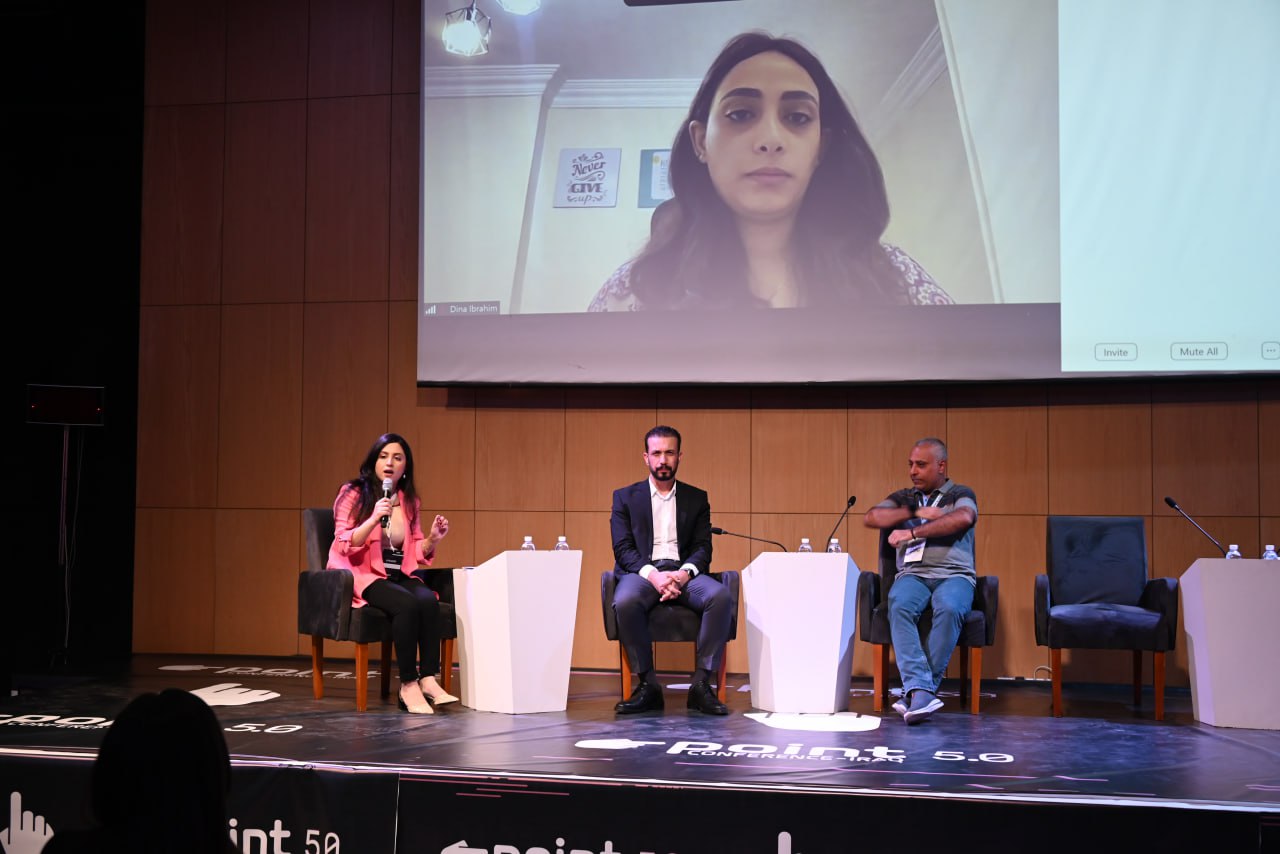
Israa Silman: expresses respect towards Dr. Ahsan but raises concerns about how art often embellishes the image of the state and political parties. She highlights the lack of basic amenities for citizens while the art might project a positive image of those in power. She also questions the criticism directed at a judge by Ahmed, suggesting not all judges might be impartial. She further extends this argument to portrayals of the American police force in works, implying that they might be corrupt and racist in reality, which is not necessarily reflected in artistic representations.
Dr. Ahsan responds by stressing the importance of having specific artistic standards.
Then, Bakr notes the absence of discussion regarding the Iraqi TV channel, which should ideally represent the core identity of Iraq through its dramas. He also mentions the issue of political party-affiliated channels conflicting and embezzling funds, leading to a lack of production of worthy dramatic works.
Gallery
Memories from past Events
Content
FAQ
Frequently Asked Question
I have a question
When and where will the next conference take place?
The conference will be held on June 24–25, 2024 in Sarajevo at Dom Mladih.
Who can attend the conference?
How can I register to attend?
Will the conference be live-streamed?




Partners



Tawasoul Organization for Youth Empowerment · Iraq – Baghdad – Karradah city
+964 770 790 6400
Tawasoul Organization for Youth Empowerment · Iraq – Baghdad – Karradah city ·
Mobile: +964 770 211 1332
Copyright©2025.Pointiraq. All Right Reserved.